Seal Grout Lines and Refresh Worn Surfaces
Shower & Tile Surround Resurfacing in Denver for sealing grout lines and minimizing mold in damp bathroom environments
Rocky Mountain Tubs provides shower and tile surround resurfacing for homeowners dealing with stained grout, cracked tile, and porous surfaces that trap moisture and develop mold. You may have scrubbed the same corners repeatedly only to see discoloration return within weeks, or you may notice that water no longer beads on the tile and instead soaks into the grout. This service applies a bonded coating over existing tile and grout to create a sealed, nonporous surface that resists mildew and cleans with less effort.
The process effectively seals grout lines, which is a major benefit in Colorado's climate where homeowners want to minimize mold and mildew in damp bathroom environments. Resurfacing does not require tile removal, so you avoid the cost and mess of demolition, and the new finish bonds directly to ceramic, porcelain, or fiberglass substrates. Technicians mask fixtures, repair surface cracks, and apply multiple coats to build a durable shell that withstands daily water exposure.
If your shower surround shows persistent staining or grout deterioration, reach out to Rocky Mountain Tubs to discuss resurfacing options in Denver.
How Resurfacing Changes Daily Maintenance
You begin with a thorough cleaning to remove soap scum, hard water deposits, and mildew, followed by light sanding to roughen the tile glaze and grout surface. Any loose or cracked tiles are secured or filled, and gaps around the tub or pan are caulked to prevent water intrusion behind the surround. The coating is sprayed in even passes, and proper ventilation is maintained throughout the application.
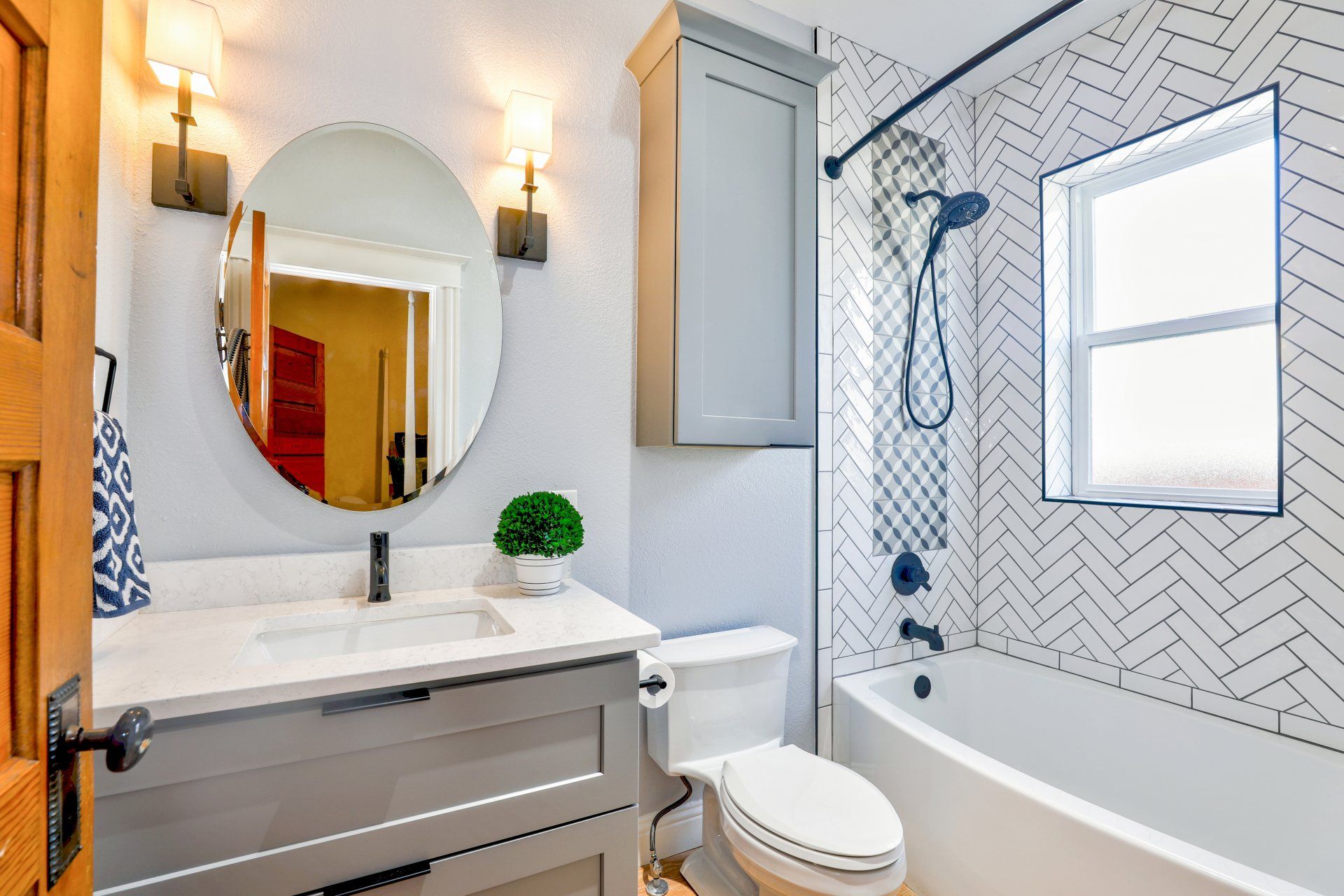
After curing, you will have a continuous surface with no grout lines to scrub, and water will roll off the walls instead of soaking in. Rocky Mountain Tubs uses coatings formulated to resist UV yellowing and chemical cleaners, so the finish stays bright even in bathrooms with limited ventilation. You will also notice that soap and shampoo residue wipe away with a damp cloth rather than requiring abrasive scrubbing.
The service does not include replacement of shower pans, valve assemblies, or structural repairs to water-damaged studs. If your surround has active leaks or soft spots in the wall behind the tile, those issues need to be addressed before resurfacing. Cure time is similar to tub reglazing, and the shower should remain dry for 48 to 72 hours after application.
What Homeowners Ask About Tile Resurfacing
Questions often focus on durability over time, color options, and whether the coating can be applied over existing caulk or damaged grout.
- What happens to the existing grout lines? The coating fills and seals the grout, so you see the original tile pattern but the surface is now continuous and waterproof without the porous channels that collect dirt.
- Can you resurface a fiberglass surround? Yes, the coating bonds to fiberglass as long as the surface is deglossed and free of wax or oils, and it provides a harder finish that resists scratching better than the original gel coat.
- How do you prevent peeling around the showerhead or faucet? Technicians carefully mask fixtures and apply extra primer coats to edges where water flows frequently, ensuring good adhesion in high-stress zones.
- Why is ventilation important during application? The solvents in the coating need to evaporate fully before the surface is exposed to water, and proper airflow prevents soft spots and ensures even curing across the entire surround.
- Does Denver's water hardness affect the coating? Hard water can leave mineral deposits on any surface, but the sealed finish makes those deposits easier to wipe away and prevents them from etching into grout or tile.
Rocky Mountain Tubs can assess your shower surround, recommend surface prep steps, and schedule the work to fit your household's needs without requiring you to leave the home during application.